Rainbow Decorative Flower Graphics and Icons
As a designer who regularly works on branding, marketing visuals, and printable products, I always look for high-quality graphic design assets that can elevate a project without overwhelming it. The Rainbow Decorative Flower caught my attention not just for its vibrant colors, but for the way it balances creativity with practicality. This digital product feels like a versatile addition to any creative design toolkit, especially for projects that need a touch of whimsy or a pop of color.
First Impressions: A Burst of Color and Creativity
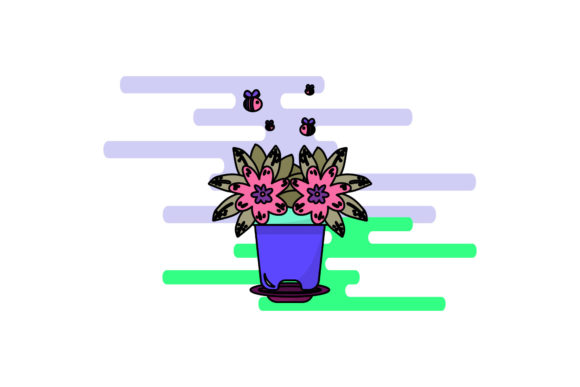
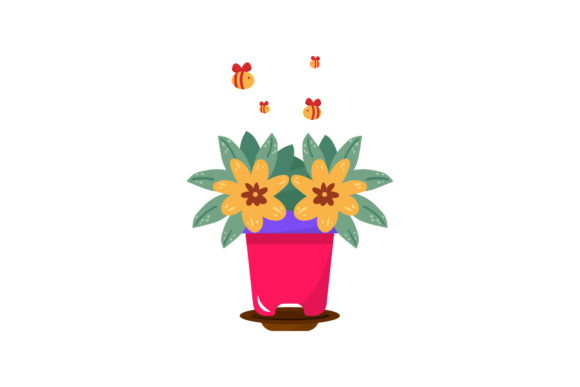
The Rainbow Decorative Flower immediately evokes a sense of playfulness and joy. Its bold, colorful petals create a visual mood that’s both eye-catching and inviting. This design fits well with handmade businesses, seasonal campaigns, or any project that aims to feel warm and approachable. It’s not a minimalist or corporate look, but rather a modern design that leans into fun and expression.
As a graphic design asset, it has a distinct style—think hand-drawn illustrations with a digital finish. The flower isn’t overly detailed, which makes it adaptable to various applications. Whether used as a standalone element or part of a larger composition, it maintains its visual appeal without competing with other design elements.
Real-World Use Cases: From Branding to Print-On-Demand
One of the first things I consider when evaluating a design asset is how it performs in real design situations. The Rainbow Decorative Flower excels in several areas. For logo design, it could serve as a secondary icon or symbol, especially for brands that want to communicate vibrancy and creativity. In brand identity work, it could be incorporated into stationery, packaging, or social media graphics to add a unique touch.
This design also works well in product labels, packaging design, and sticker design. Its bright colors make it ideal for t-shirt design, mugs, and tote bags, where visual impact is key. For print-on-demand sellers, it could be a valuable addition to a design bundle, offering something fresh and engaging for customers looking for colorful, decorative elements.
In editorial design, the Rainbow Decorative Flower could act as a decorative accent in blog visuals or website graphics. It’s also suitable for Canva templates, where users might want to add a fun, eye-catching element to their designs. For Cricut users, this could be a great clipart option for DIY projects, especially those involving paper crafts or wall art.
Where It Shines: Large Layouts and Themed Campaigns
The Rainbow Decorative Flower thrives in large layout areas, such as hero graphics, product mockups, or campaign visuals. When placed in a spacious design, it doesn’t feel cluttered—it becomes a focal point that draws the viewer’s eye. It’s perfect for themed collections, like spring or summer campaigns, where color and energy are important.
It also works well as a supporting brand element, especially in projects that require a playful or artistic tone. For example, in a small business branding project for a boutique or Etsy shop, this design could help create a cohesive aesthetic that feels both professional and personal.
Where to Be Cautious: Minimalist Projects and High-Contrast Designs
While the Rainbow Decorative Flower is visually appealing, it may not be the best fit for every project. In minimalist branding or professional corporate materials, it could feel out of place. Its vibrant colors and detailed style might clash with clean, simple design approaches that prioritize clarity and subtlety.
Additionally, using it in crowded layouts or on complex backgrounds could reduce its effectiveness. It needs space to breathe and stand out. If placed on a low-contrast background, the colors might not pop as intended, making it less visible or readable.
Design Considerations: Testing and Practical Checks
Before using any design asset for a client project, it’s crucial to test it thoroughly. I recommend testing the Rainbow Decorative Flower in black and white to see how it holds up without color. Checking contrast on both light and dark backgrounds is also essential, especially if it will be used in web design or social media graphics.
Previewing it at different sizes is another important step. At small sizes, the details might become too faint or lose definition. On the other hand, at large sizes, it can add a strong visual impact. Placing it on real mockups helps determine how it interacts with other elements in a final design.
For print-on-demand or sublimation design, checking print quality is key. If the file includes PNG transparency, ensure it looks clean and sharp when printed. For SVG design or vector files, verifying editability is important, especially if the client wants to customize the design further.
Comparing it with different font styles—like serif, sans serif, script, or display fonts—can help determine how it integrates with text elements. And of course, confirming commercial licensing before use is a must, especially when working on a client project or selling digital products.
Conclusion: A Versatile Creative Asset for the Right Project
The Rainbow Decorative Flower is a great example of a graphic design asset that brings personality and vibrancy to a project. It’s ideal for small business branding, handmade businesses, or any creative marketplace where visual appeal matters. Its versatility across multiple formats—AI, EPS, SVG, DXF—makes it a valuable addition to any design bundle.
For designers, it offers a chance to experiment with color, texture, and style while maintaining professionalism. Whether used in social media graphics, packaging design, or printable wall art, it can enhance the overall look and feel of a project. However, like any design element, it should be used thoughtfully and with an understanding of its strengths and limitations.