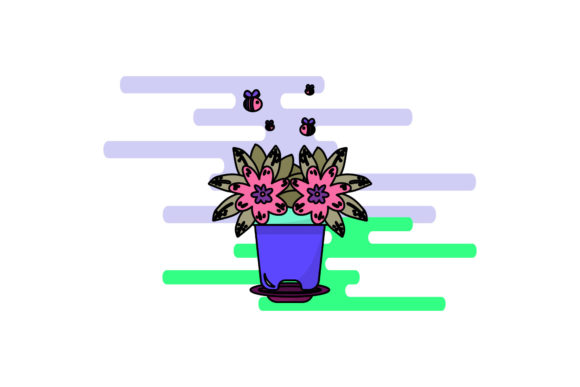
Flower Decorative in Clipart: Graphics & Icons for Local Branding
As a brand designer with years of experience, I’ve seen countless graphic design assets come and go. But the Flower Decorative in Clipart stands out as a versatile and visually appealing option for small business branding, product packaging, and promotional materials. This set of digital files offers a fresh, floral aesthetic that can elevate a brand’s visual identity while maintaining a sense of approachability and creativity.
The First Impression: A Soft, Elegant Mood
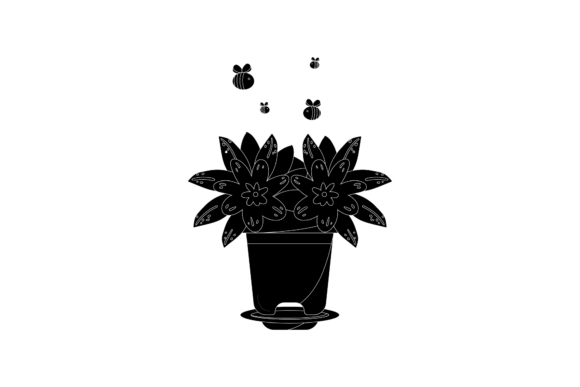
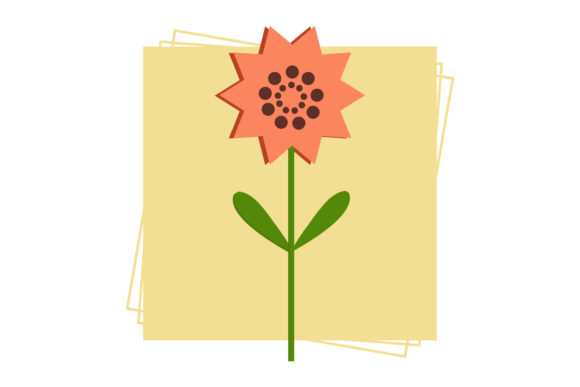
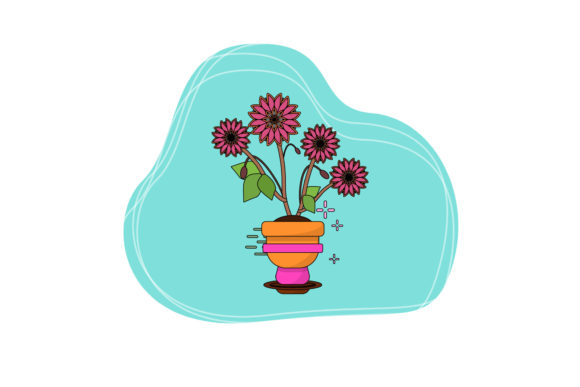
Flower Decorative in Clipart immediately conveys a sense of warmth and sophistication. The delicate lines and natural shapes suggest a brand that values artistry, craftsmanship, and a connection to nature. This makes it ideal for businesses like boutique stores, handmade soap shops, or skincare brands looking to communicate a premium yet friendly image. It feels organic and elegant, perfect for businesses aiming to evoke a calming, inviting atmosphere.
Real-World Applications for Local Businesses
This graphic design asset is incredibly adaptable. Whether you’re working on logo design, packaging design, or social media graphics, Flower Decorative in Clipart can serve as a key visual element. For example, a bakery could use it as a background for menu cards or as an accent on their product labels. A florist might incorporate it into seasonal campaign visuals or as a decorative element on thank-you cards.
It also works well in product mockups, helping to visualize how a design will look on real-world items. As a printable design, it can be used for stickers, hang tags, or even custom stationery, making it a valuable addition to any creative marketplace offering.
Supporting Business Presentation
Flower Decorative in Clipart enhances business presentation by creating a stronger first impression. When used effectively, it helps build brand recognition and ensures a consistent visual identity across all touchpoints. For small business branding, this consistency is crucial for building customer trust and establishing a professional image.
It also improves visual hierarchy, allowing key information to stand out while still maintaining an aesthetically pleasing layout. In packaging design, it can add a decorative touch that differentiates a product from competitors on the shelf. For food businesses or home decor shops, it adds a layer of polish that can make a big difference in how a brand is perceived.
Where Flower Decorative in Clipart Shines
This asset excels in situations where a soft, decorative element is needed. Product labels, for instance, can benefit from its elegant lines and natural feel. It’s also great for hero graphics on websites or social media banners, where it can draw attention without overwhelming the viewer.
For seasonal campaigns or boutique visuals, Flower Decorative in Clipart provides a cohesive theme that can tie together multiple marketing efforts. It’s also effective as a decorative brand element in editorial design or web design projects that require a touch of whimsy or elegance.
When to Use It Carefully
While Flower Decorative in Clipart is versatile, it’s not suitable for every design scenario. In formal corporate branding, its ornate style may clash with a more minimalist or modern aesthetic. Similarly, it should be avoided on very small labels or crowded layouts where it could compete with essential text or legal information.
Low-contrast backgrounds may cause the design to blend in rather than stand out, and luxury minimalist brands may find it too busy or decorative. It’s important to test the asset in various contexts to ensure it aligns with the overall brand strategy.
Practical Designer Notes
Before finalizing any design, I always recommend testing Flower Decorative in Clipart on real packaging mockups. Check how it looks in black and white to ensure it remains legible and effective. Preview it on small labels to see if it scales well, and test it with your brand colors to confirm it complements your palette.
Compare it with competitor packaging to ensure it doesn’t look too similar. Review PNG transparency to make sure it works seamlessly on different backgrounds. Inspect SVG or vector editability to understand how much control you have over the design.
Finally, always confirm commercial licensing before using it for client work, business branding, or physical product sales. Make sure it’s compatible with Canva templates or other design tools you rely on. Test it beside different font styles—serif, sans serif, script, handwritten, and display—to see how it interacts with typography.
Final Thoughts: A Valuable Addition to Any Brand Designer’s Toolkit
Flower Decorative in Clipart is more than just a clipart set—it’s a flexible graphic design asset that can support a wide range of local business needs. From product labeling to social media graphics, it offers a stylish and functional solution for small business branding. Its versatility, combined with high-quality formats like AI, EPS, SVG, and DXF, makes it a reliable choice for designers looking to create impactful marketing visuals.
Whether you're working on a handmade business, a food label, or a seasonal campaign, Flower Decorative in Clipart can help elevate your brand’s visual presence. With careful consideration and proper application, it can become a key element in your design process, supporting both aesthetics and functionality in real-world business projects.