Natural Decorative Panels: Graphics and Crafts in One
As a designer who regularly works on branding, packaging, and marketing visuals, I’m always on the lookout for high-quality design assets that can elevate a project without compromising clarity or professionalism. Natural Decorative Panels caught my attention as a versatile graphic design asset that could bring a unique visual mood to a range of creative design projects.
The First Impression: Aesthetic and Mood
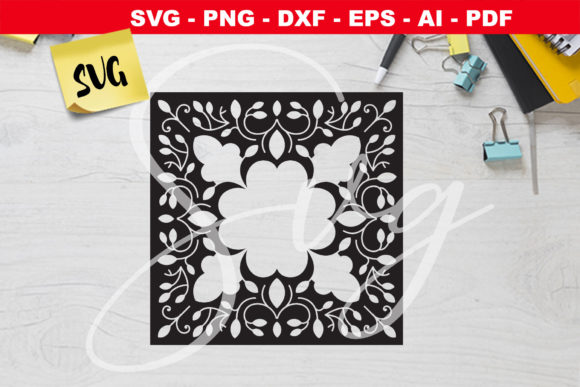
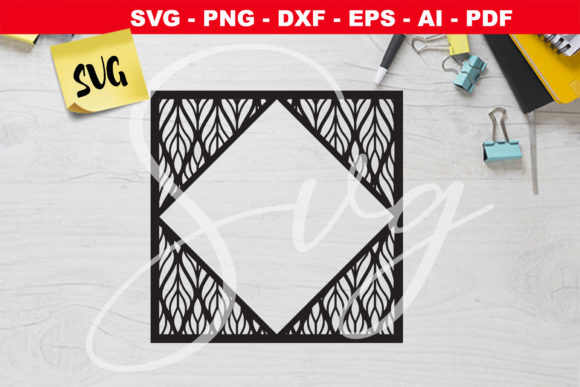
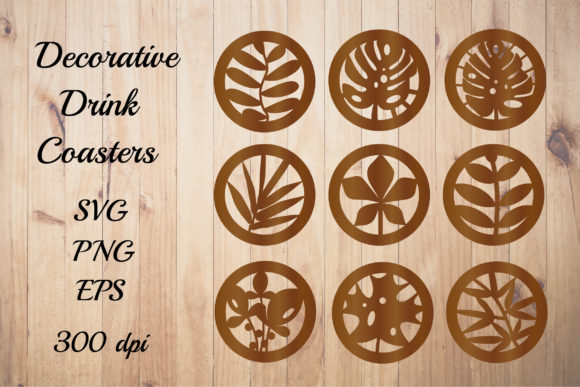
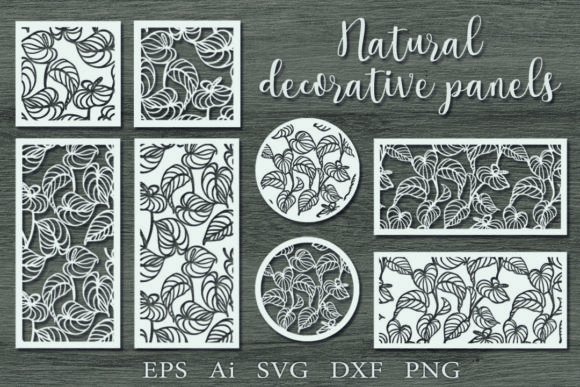
Natural Decorative Panels immediately convey a sense of warmth and organic elegance. The design elements feel handcrafted yet polished, with subtle textures and natural motifs that evoke a handmade business aesthetic. This makes it an ideal fit for small business branding, especially for boutique product lines or seasonal campaigns that rely on a cozy, inviting visual language.
The panels are rich in detail but not overwhelming, striking a balance between decorative flair and functional use. Whether used as a background element or a focal point, they add depth and character without competing with other design components.
Real-World Applications: From Packaging to Social Media
In a recent client project involving a local event promotion, I experimented with Natural Decorative Panels as part of the visual concept. The design worked well for product labels, packaging design, and even as a backdrop for digital ads. Its 1000x2000 px size allows for flexibility in layout, making it suitable for large format printing or high-resolution web graphics.
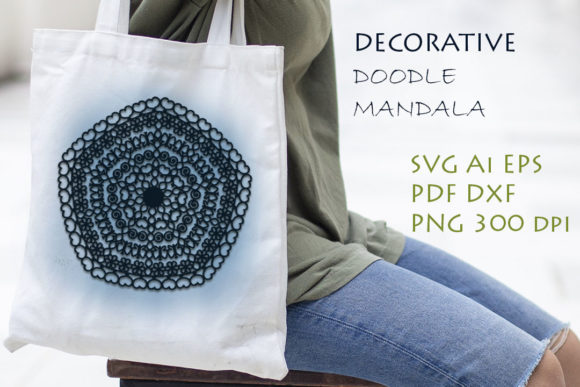
For a print-on-demand seller, these panels could be adapted into t-shirt design, mug art, or tote bag prints. Their transparent PNG files make them easy to integrate into Canva templates or Cricut projects, while the SVG designs offer scalability for sticker design or sublimation work.
When used in social media graphics, the panels provided a strong visual anchor for Instagram posts and Pinterest pins. They also helped reinforce brand consistency across multiple platforms, especially when paired with a cohesive color scheme and typography.
Best Use Cases: Where It Shines
Natural Decorative Panels excels in large layout areas, where its intricate details can be fully appreciated. It’s particularly effective in hero graphics, product mockups, and themed collections that require a cohesive visual identity. For editorial design or blog visuals, the panels can serve as decorative accents that enhance storytelling without distracting from the content.
They also work well in printable designs, such as wall art or downloadable templates, where their resolution and transparency make them easy to customize. In a commercial design context, they can be used to add visual interest to packaging details or campaign visuals without overwhelming the message.
Where to Be Cautious: Limitations and Considerations
While Natural Decorative Panels is a strong graphic design asset, it may not be the best choice for minimalist branding or professional corporate materials. In crowded layouts or low-contrast designs, the panel’s complexity could reduce readability and disrupt the visual hierarchy.
For a logo design or brand identity project that requires clean, modern design, this asset might be too ornate. Similarly, in a digital ad or website graphic where clarity is key, it could interfere with the intended message if not carefully placed.
Impact on Design Quality: Readability and Brand Trust
One of the most important factors in any design project is how well it communicates the brand’s message. Natural Decorative Panels adds visual appeal, but it’s crucial to ensure that it doesn’t compromise legibility or brand consistency. When used thoughtfully, it can enhance emotional appeal and audience engagement, helping to create a more memorable and trustworthy design.
For a handmade business or small business branding project, this asset can help establish a warm, authentic tone that resonates with the target audience. However, it’s essential to test it in different contexts—such as black and white versions or on light and dark backgrounds—to ensure it remains effective across all applications.
Practical Designer Notes: What to Check Before Using
Before using Natural Decorative Panels for a client project, I recommend testing it in various scenarios. Preview it at small and large sizes to see how the details hold up. Place it on real mockups to assess how it interacts with other design elements.
Check the file formats—especially the PNG transparency and SVG editability—to ensure they meet your needs. If you’re working on a commercial design, confirm the licensing terms to avoid any legal issues. Compare the panels with different font styles to see how they complement serif, sans serif, script, or display fonts.
Conclusion: A Valuable Addition to Your Design Toolkit
Natural Decorative Panels is a versatile graphic design asset that offers a unique blend of creativity and functionality. Whether you're working on a handmade brand, Etsy product, or print-on-demand design, it can add a touch of elegance and authenticity to your work.
With proper consideration and testing, it can become a valuable part of your design bundle, supporting everything from packaging design to social media graphics. As a designer, I found it to be a reliable and expressive tool that enhances the overall quality of a project without sacrificing clarity or professionalism.