Mandala Arabic Decorative Background Art
As an embroidery designer and product reviewer, I’ve seen countless designs come and go. But when I first laid eyes on Mandala Arabic Decorative Background Art, I knew it had potential. The intricate patterns, the symmetry, and the cultural flair immediately caught my attention. This isn’t just a design—it’s a statement. But how does it hold up in real-world use? Let’s dive into what this design offers and where it truly shines.
The First Impression
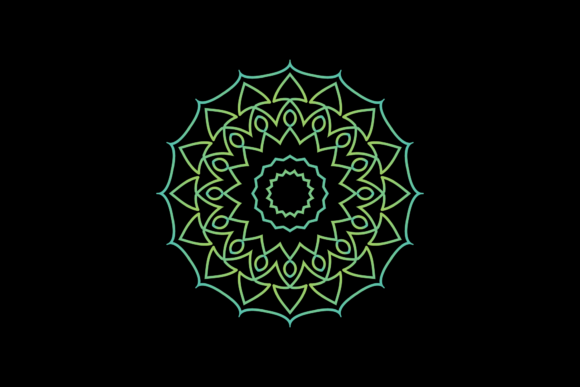
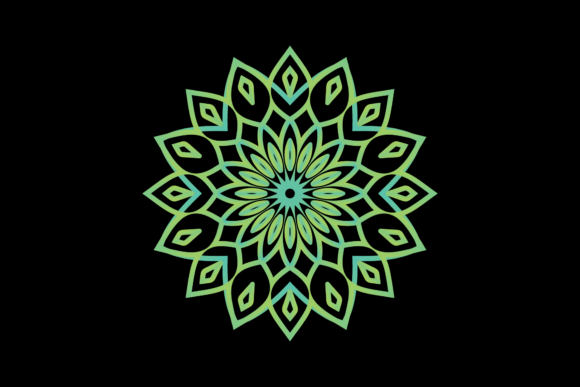
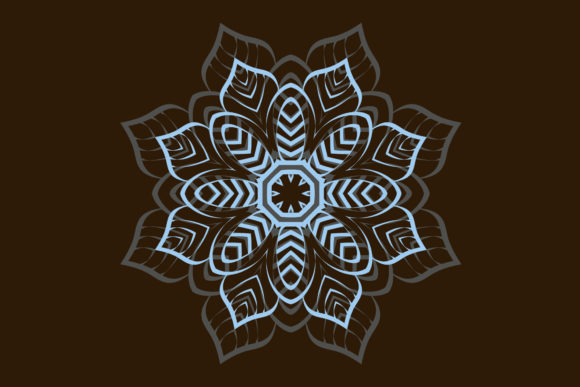
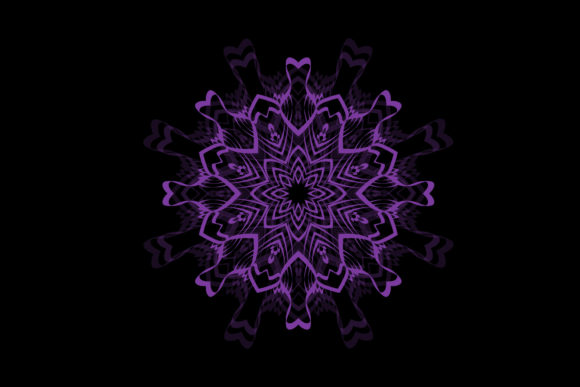
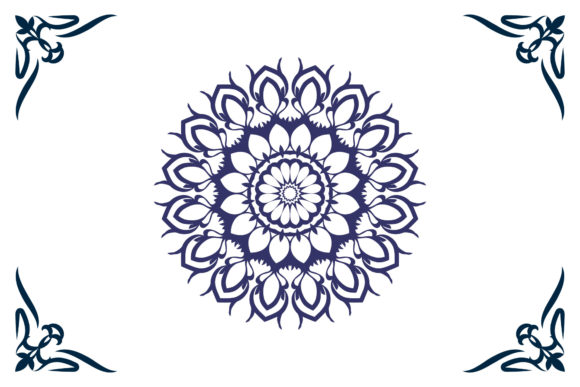
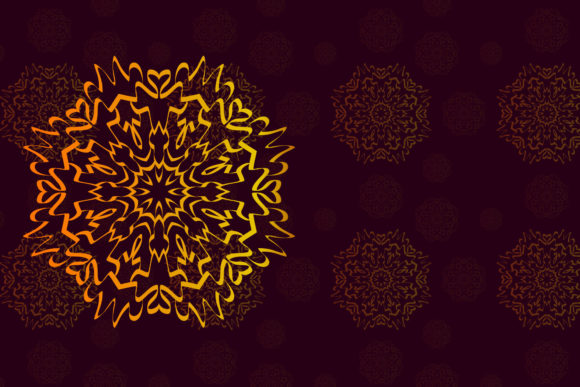
Mandala Arabic Decorative Background Art exudes a sense of calm and sophistication. The layout is balanced, with repeating geometric shapes that flow seamlessly across the canvas. It’s not overly complex, but it’s detailed enough to add visual interest without overwhelming the viewer. The color palette—though not specified in the product description—suggests a rich, traditional aesthetic that would pair well with earthy tones or deep jewel shades.
This design feels like it belongs on custom apparel, especially for those looking to add a touch of elegance to their handmade products. Whether it’s a tote bag, a sweatshirt, or a pillow cover, Mandala Arabic Decorative Background Art has the versatility to fit a range of applications. Its symmetry makes it ideal for centered placements, and its scale allows for both large and small embroidery projects.
Real-World Embroidery Use Cases
When I think about how Mandala Arabic Decorative Background Art would perform in real-life embroidery situations, I imagine it being used on a variety of items. For example, if I were designing a custom embroidered tote bag for a client, this pattern could serve as a beautiful background that adds depth and character. It would work well as an applique design or a satin stitch fill, depending on the desired texture.
On a sweatshirt, the design could be placed on the back or sleeves, offering a unique twist on standard graphic tees. For baby items, such as onesies or blankets, the soft, flowing lines might create a soothing effect. It could also be used on aprons, caps, or even holiday gifts like embroidered napkins or table runners.
One thing to note is that the design’s detail level requires careful consideration. If you’re working with a small hoop size, parts of the design may need to be split or simplified. Similarly, on textured fabrics or thin materials, the stitching might not show as clearly as it would on a smooth, medium-weight cotton.
Where to Use It Carefully
Mandala Arabic Decorative Background Art is best suited for flat, stable surfaces. If you’re planning to embroider it on a curved surface like a cap or a hat, you’ll need to adjust the design or use a specialized hoop. Thin or stretchy fabrics can also be a challenge, as they may cause the stitches to pucker or distort.
Dark fabrics may require a different approach, as the design’s details could get lost against a solid background. In such cases, using contrasting thread colors or adding a white underlay could help bring out the pattern. Additionally, if the design includes tiny lettering or intricate corners, you’ll want to test it on scrap fabric before committing to a final project.
For commercial embroidery projects, it’s essential to check the licensing terms before selling finished products or digital files. While the product description mentions 6x digital files, it doesn’t specify whether the design is for personal or commercial use. Always confirm these details to avoid any legal issues down the line.
Impact on Visual Appeal and Customer Perception
When it comes to visual appeal, Mandala Arabic Decorative Background Art has a lot to offer. Its intricate patterns can elevate a simple item into something special, making it more attractive to customers. A well-executed embroidery project using this design can increase the perceived value of a handmade product, making it more desirable for Etsy sellers or boutique shop owners.
From a customer perspective, this design could be seen as a thoughtful, artistic choice. It adds a layer of uniqueness that sets a product apart from mass-produced alternatives. Whether it’s a personalized gift or a custom apparel piece, the presence of Mandala Arabic Decorative Background Art can enhance the overall presentation and make the item feel more handcrafted and meaningful.
Practical Designer Notes
Before jumping into a full project, I always recommend testing any new machine embroidery design on scrap fabric. This helps identify any potential issues with stitch density, thread color contrast, or stabilizer needs. For Mandala Arabic Decorative Background Art, I’d suggest doing a few test runs to see how it looks on different fabric types and in various lighting conditions.
Another important step is to review the stitch density. If the design is too dense, it could cause the fabric to stiffen or the stitches to bunch up. On the flip side, if it’s too sparse, the details might not show as intended. Finding the right balance is key to achieving a professional finish.
Also, consider how the design will look in black and white mockups. This can help you visualize how it will appear on different fabric backgrounds. If you’re planning to sell this design as a digital product, make sure it’s optimized for printable mockups and that the file sizes are appropriate for easy download and use.
Final Thoughts
Mandala Arabic Decorative Background Art is a strong candidate for a wide range of embroidery projects. Its elegant design and versatile layout make it suitable for both personal and commercial use. However, like any design, it requires careful consideration of fabric type, hoop size, and stitch settings to ensure the best results.
If you’re an embroidery designer, small business owner, or craft entrepreneur, this design could be a valuable addition to your collection. Just remember to test it thoroughly, understand the licensing terms, and use it in ways that highlight its strengths. With the right approach, Mandala Arabic Decorative Background Art can become a standout element in your next project.