Floral Backdrop Plant Decorative Pattern Graphics Freebies
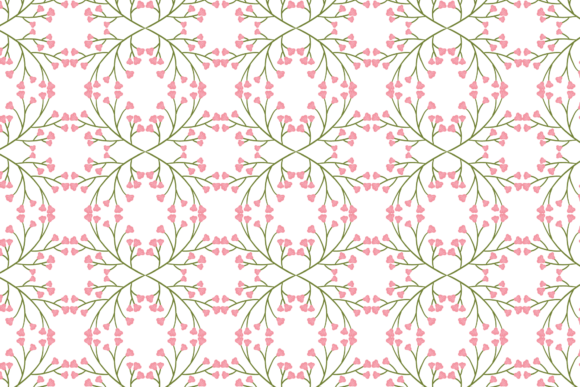
The Floral Backdrop Plant Decorative Pattern offers a visually rich graphic design asset that can elevate the editorial quality of any content publishing project. With its elegant floral motifs and plant-inspired elements, this design brings a sense of natural beauty and artistic flair to digital content. As a blog designer and digital publisher, I found it particularly useful for creating a cohesive visual identity across multiple platforms.
First Impressions and Editorial Mood
Upon first glance, the Floral Backdrop Plant Decorative Pattern exudes a warm, inviting, and lifestyle-oriented vibe. The soft color palette and intricate details suggest a focus on creativity, nature, and aesthetic appeal. This makes it ideal for content niches such as lifestyle blogs, wellness sites, home decor publications, and creative marketplaces. It feels both modern and timeless, making it versatile enough for a range of editorial styles.
The design has a feminine touch without being overly ornate, which means it can work well in both casual and more polished content environments. Its decorative nature adds a layer of sophistication to any digital guide, printable design, or social media graphics without overwhelming the viewer.
Real Publishing Use Cases
This graphic design asset is highly adaptable for real-world publishing workflows. It can be used as a blog featured image, Pinterest pin, or article header to catch attention and set the tone for the content. For example, when designing a digital guide on plant care or garden design, the Floral Backdrop Plant Decorative Pattern serves as an excellent background that reinforces the theme while maintaining visual clarity.
It also works well as a website header or banner, especially for pages focused on nature, home improvement, or creative DIY projects. In newsletter graphics, it can act as a header or background element, adding a professional touch to email campaigns. Additionally, it’s perfect for lead magnets, downloadable printables, and Canva templates, where a strong visual foundation is essential.
Supporting Content Performance
Using the Floral Backdrop Plant Decorative Pattern can significantly enhance content performance by improving visual hierarchy and brand identity. A well-designed graphic can create a stronger first impression, leading to higher engagement and click-through rates. When paired with clear headlines and readable text, it helps maintain a clean and organized layout that guides the reader through the content effectively.
This design asset also supports consistent branding across different content formats. Whether it's a blog post, social media post, or affiliate marketing graphic, the floral pattern adds a recognizable visual element that strengthens the overall brand presence. It builds reader trust by presenting content as professional and well-crafted, which is crucial for online educators, small business owners, and affiliate marketers.
Where It Works Best
The Floral Backdrop Plant Decorative Pattern shines in hero images, article thumbnails, and Pinterest pins, where a strong visual hook is needed. It also enhances editorial accents, content upgrades, and downloadable resources, providing a polished look that aligns with the content’s purpose. As a newsletter header or social media preview, it helps create a more engaging and memorable user experience.
For blog graphics and editorial layouts, this design acts as a subtle yet effective backdrop that complements other visual elements without competing with them. It’s especially useful for digital guides, worksheets, and eBook covers, where a cohesive and attractive design is key to attracting and retaining readers.
Where to Use Carefully
While the Floral Backdrop Plant Decorative Pattern is visually appealing, it may not be suitable for every context. On small mobile thumbnails, the intricate details can become lost, making it less effective as a standalone image. In text-heavy blog images, it might distract from the main message if not used thoughtfully.
It also requires careful consideration in low-contrast backgrounds or busy layouts, where it could clash with other design elements. For serious professional niches or corporate content, a more minimal design might be preferable. Websites that rely on a very clean or modern visual system may find this pattern too decorative for their style.
Publisher Notes and Practical Tips
Before using the Floral Backdrop Plant Decorative Pattern, test it on both desktop and mobile screens to ensure it scales well and maintains clarity. Check how it looks as a thumbnail and preview it within a real blog layout to see how it interacts with other elements. Test it with headline text to confirm that the contrast and readability are optimal.
Try the design in black and white to see how it performs without color. Place it beside different font styles—serif, sans serif, script, handwritten, and display—to evaluate its compatibility. Review the file size for web performance and compress images properly to maintain fast loading times.
Lastly, always confirm the commercial license before using it on monetized websites, affiliate pages, or paid content products. This ensures that you’re compliant with the terms of use and can confidently incorporate the Floral Backdrop Plant Decorative Pattern into your digital product or content marketing strategy.
Conclusion: A Versatile Graphic Design Asset
The Floral Backdrop Plant Decorative Pattern is a valuable addition to any content creator’s toolkit. Its ability to enhance visual communication, support editorial quality, and improve website presentation makes it a practical choice for bloggers, publishers, and digital marketers. Whether used in blog graphics, social media visuals, or downloadable resources, it adds a touch of elegance and professionalism that aligns with modern design trends.
By understanding its strengths and limitations, publishers can make informed decisions about where and how to use this graphic design asset. With proper implementation, it can significantly elevate the look and feel of digital content, helping to build a stronger brand identity and engage audiences more effectively.